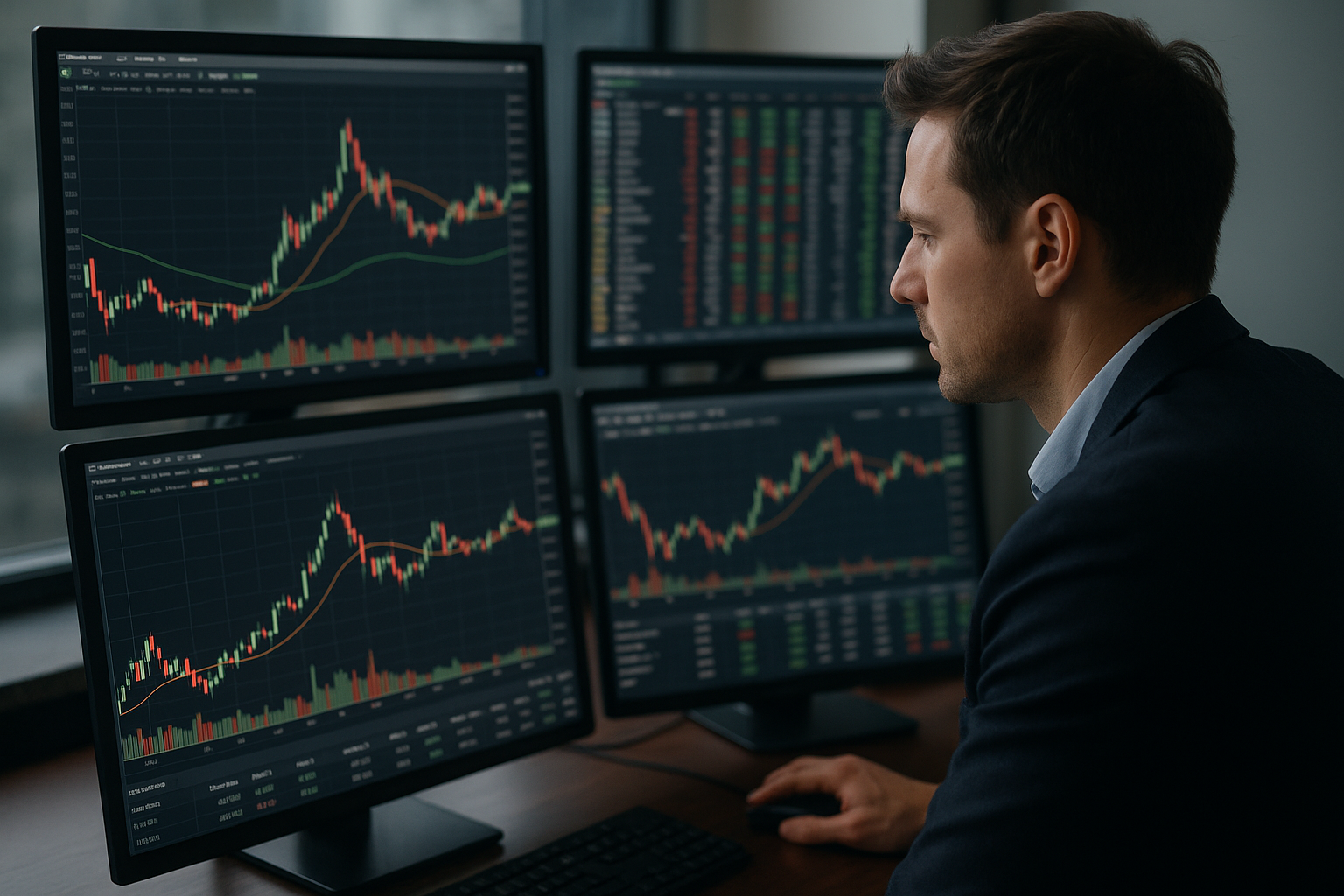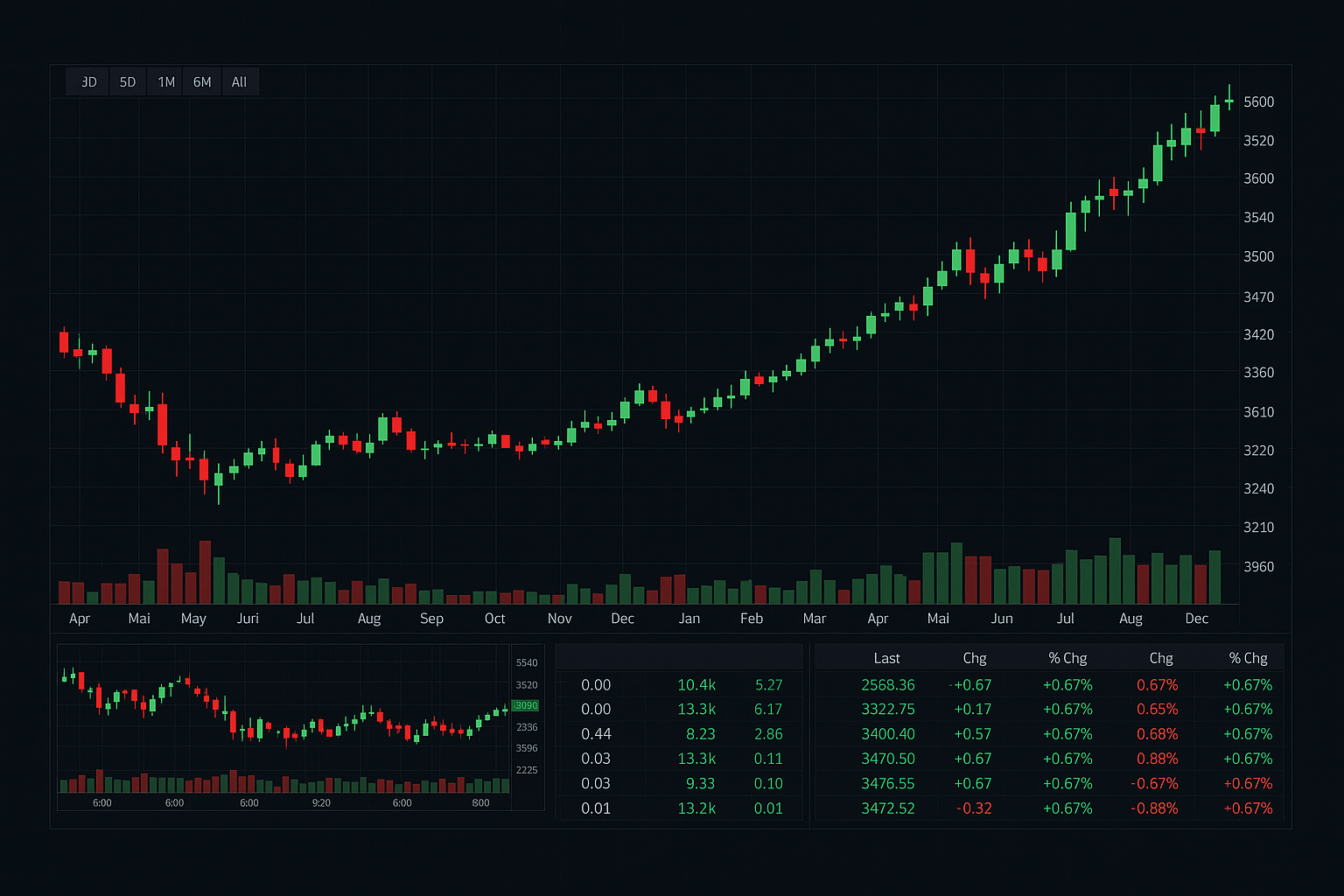
Trading in 2026 has transformed completely. Gone are the days when you needed years of experience, countless hours watching charts, or advanced financial knowledge to make smart trading decisions. Today, artificial intelligence handles the heavy lifting, analyzing market patterns and spotting opportunities faster than any human trader ever could. Tradvio AI brings this power directly to your fingertips, whether you're a seasoned investor or someone just starting to explore the world of automated trading.
What makes Tradvio AI different isn't just the technology behind it. It's the genuine simplicity it brings to your trading journey. No overwhelming dashboards, no confusing jargon, no need to second-guess your moves. You get real-time insights, automatic signals, and intelligent risk management all working together to help you make better trading decisions and potentially increase your profits. Let's explore how this works and why thousands of traders are making the switch in 2026.
| Feature | Benefit for You |
|---|---|
| Real-Time Chart Analysis | AI spots patterns you might miss, 24/7 |
| Automated Trading Signals | Get actionable alerts without constant monitoring |
| Built-In Risk Management | Protect your capital with intelligent safeguards |
| Custom Strategy Builder | Create rules that match your trading style exactly |
| Multi-Platform Integration | Connect seamlessly with your favorite trading accounts |
Key Takeaways
Tradvio AI combines machine learning, real-time analysis, and automated signals to simplify your trading approach and help you make faster, smarter decisions.
Setting up takes minutes. Once connected, the platform works behind the scenes to spot opportunities and send you alerts tailored to your strategy.
Whether you're new to trading or already experienced, this tool scales with your needs and grows with your confidence.
What is Tradvio AI and How Does It Transform Your Trading Strategy?
Tradvio AI is your personal trading assistant powered by advanced artificial intelligence. Think of it as having a team of expert analysts working around the clock, watching every market movement, spotting patterns, and alerting you to opportunities the moment they appear. Unlike traditional trading tools that simply display raw data, Tradvio AI interprets that data, learns from it, and provides you with clear, actionable insights you can act on immediately.
The transformation happens in three ways. First, it removes guesswork from your trading decisions by providing data-driven signals based on proven market patterns. Second, it saves you enormous amounts of time by automating the tedious work of chart analysis and monitoring. Third, it builds confidence in new traders by explaining why a signal matters and what it suggests about market direction. You're no longer staring at a screen wondering what to do next—you have a clear path forward.
Core Features That Set Tradvio AI Apart
What separates Tradvio AI from basic charting software is its focus on practical, ready-to-use intelligence. The platform doesn't just show you numbers and lines on a graph. It translates raw market data into human-readable recommendations you can understand without a finance degree.
Real-time pattern recognition sits at the heart of the system. The AI continuously scans price movements, volume data, and market indicators to identify formations that historically predict price changes. When it finds a setup matching your criteria, you receive an instant alert. No more missing opportunities because you stepped away from your desk.
The alert system is built for action. Rather than overwhelming you with dozens of signals daily, Tradvio AI filters opportunities based on your personal risk tolerance and trading style. You might get two high-confidence alerts one day and none the next. Quality over quantity keeps your focus sharp.
Risk management tools are embedded throughout. The platform helps you set stop-loss levels, position sizing, and profit-taking targets automatically. This means your capital stays protected even when emotions run high or markets move fast. You maintain control while the system handles the repetitive calculations.
How Tradvio AI Uses Machine Learning for Market Predictions
Machine learning is simply teaching a computer to learn from experience rather than following rigid rules. Tradvio AI's algorithms ingest years of historical price data, studying which patterns actually led to profitable moves and which ones didn't. Over time, the system becomes increasingly accurate at recognizing setups that work and filtering out the noise.
The beauty of this approach is adaptation. Markets change. What worked perfectly in 2024 might not work as well in 2026. Traditional tools use the same formulas year after year. Tradvio AI continuously refines its understanding of market behavior, adjusting to new conditions automatically. You don't need to manually reprogram anything or wonder if your old strategies still apply.
Behind the scenes, the AI analyzes thousands of data points simultaneously. Price action, volume patterns, volatility measures, correlation between different assets—all of this feeds into the decision-making process. A human trader would take weeks to analyze what the system processes in seconds. That's where your time savings come from, and why the recommendations often feel surprisingly accurate.
Getting Started with Tradvio AI: Setup and First Steps
Starting with Tradvio AI is intentionally straightforward. The platform was designed for people who want power without complexity. Within minutes, you'll be set up and ready to receive your first trading signals. Let's walk through exactly how this works.
Creating Your Account and Configuring Your Trading Preferences
Your first step is creating an account. You'll provide basic information—your name, email, and password. Nothing invasive, nothing you haven't done before on any online service. The platform then walks you through a brief questionnaire about your trading style and experience level. Are you a day trader working on short five-minute timeframes, or do you prefer longer swings over days and weeks? Do you have a small starter account or significant capital? These questions help Tradvio AI calibrate its recommendations to match your actual situation.
Next comes preference configuration. This is where you define your rules. You might say, "I only want alerts for trades with at least a two-to-one profit-to-risk ratio" or "Don't send me signals between midnight and 6 AM because I'm sleeping." The platform remembers these settings and applies them automatically. You're not locked into defaults—you're building a personalized trading assistant that respects your lifestyle and your goals.
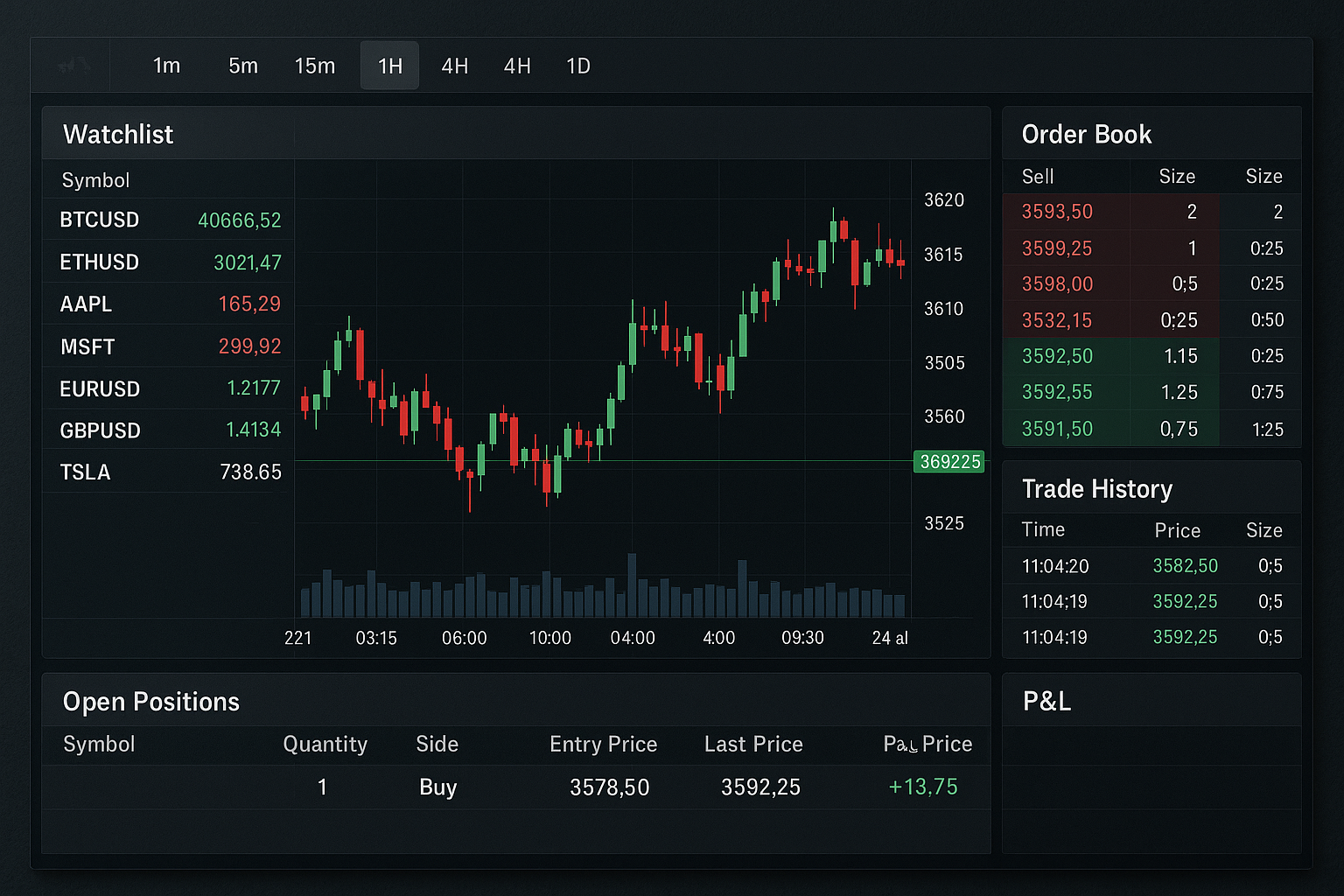
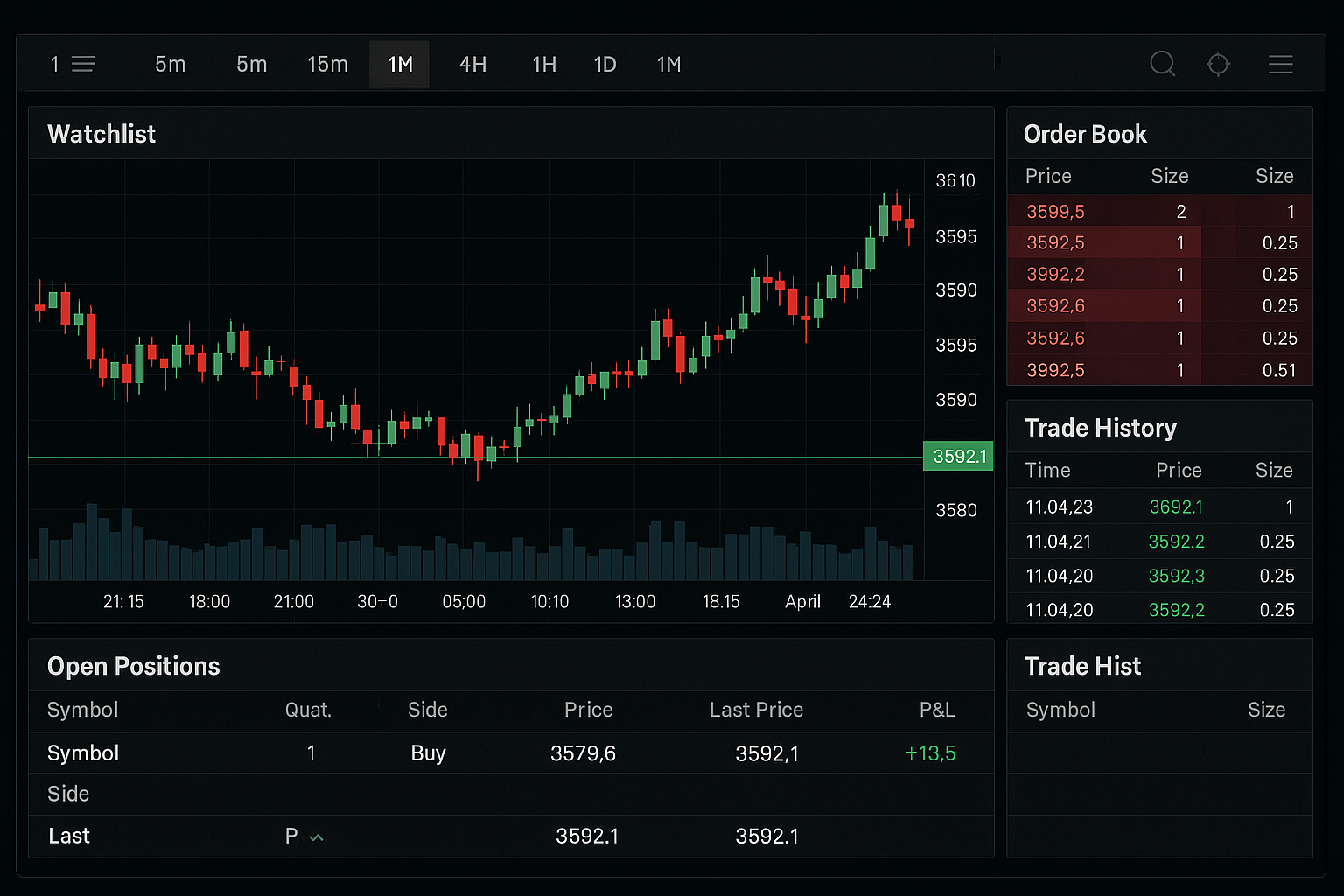
The dashboard becomes your command center. It displays your active alerts, recent trades, account balance, and performance metrics all in one glance. Most traders report that finding what they need takes seconds, not minutes. The layout feels intuitive because it was built by people who trade, not just by engineers guessing what traders need.
Connecting Your Trading Accounts and Data Sources
Tradvio AI works with your existing brokers and trading platforms. You don't need to move your account or change where you trade. During setup, you'll connect your current broker through secure API connections. This is the same secure technology banks use to let you view multiple accounts in one place. Your login details are encrypted, and the connection is read-only, meaning the platform can see your data but cannot move money without your explicit approval.
The integration typically takes five minutes. You authorize the connection once, and Tradvio AI starts pulling live market data and your account information. From that moment forward, everything is synchronized. Your positions update in real-time, your available capital is always accurate, and the AI has full visibility into your trading history and current exposure.
If you trade on multiple platforms, you can connect them all. Some traders keep positions on one broker for stocks and another for options. Tradvio AI can monitor everything simultaneously and send coordinated alerts across your entire portfolio. That unified view eliminates the confusion of jumping between different apps and wondering what your total risk actually is.
Understanding the Dashboard and Key Metrics
The dashboard displays information organized by priority. At the top, you'll see your account health: total capital, buying power, and current profit or loss. This gives you an instant snapshot of where you stand. Below that, active signals and alerts appear chronologically, with the newest and most actionable ones featured first.
Performance metrics show you how your decisions are working out. You'll see your win rate (percentage of trades that ended profitably), average profit per winning trade, and average loss per losing trade. The system also tracks your response time—how quickly you acted on alerts. Over weeks and months, these metrics reveal patterns in your trading behavior. You might discover you trade better on Mondays, or that your longest-term positions outperform your quick scalps. This self-knowledge is incredibly valuable for improvement.
One metric that surprises new users is the "AI confidence score." When Tradvio AI sends you an alert, it includes a score from 1 to 100 indicating how confident the system is in that particular setup. A score of 85 means the AI has seen this pattern dozens of times before, and it historically worked out well. A score of 45 means the setup is possible but less certain. You can filter your alerts to show only high-confidence opportunities, naturally improving your win rate without extra work on your part.
How to Maximize Trading Profits with Tradvio AI's Smart Insights
Having a powerful tool means nothing if you don't use it effectively. The traders seeing the best results with Tradvio AI aren't necessarily the ones with the biggest accounts. They're the ones who understand the platform's strengths and build their approach around them. Let's explore how to get maximum value.
Real-Time Chart Analysis and Pattern Recognition
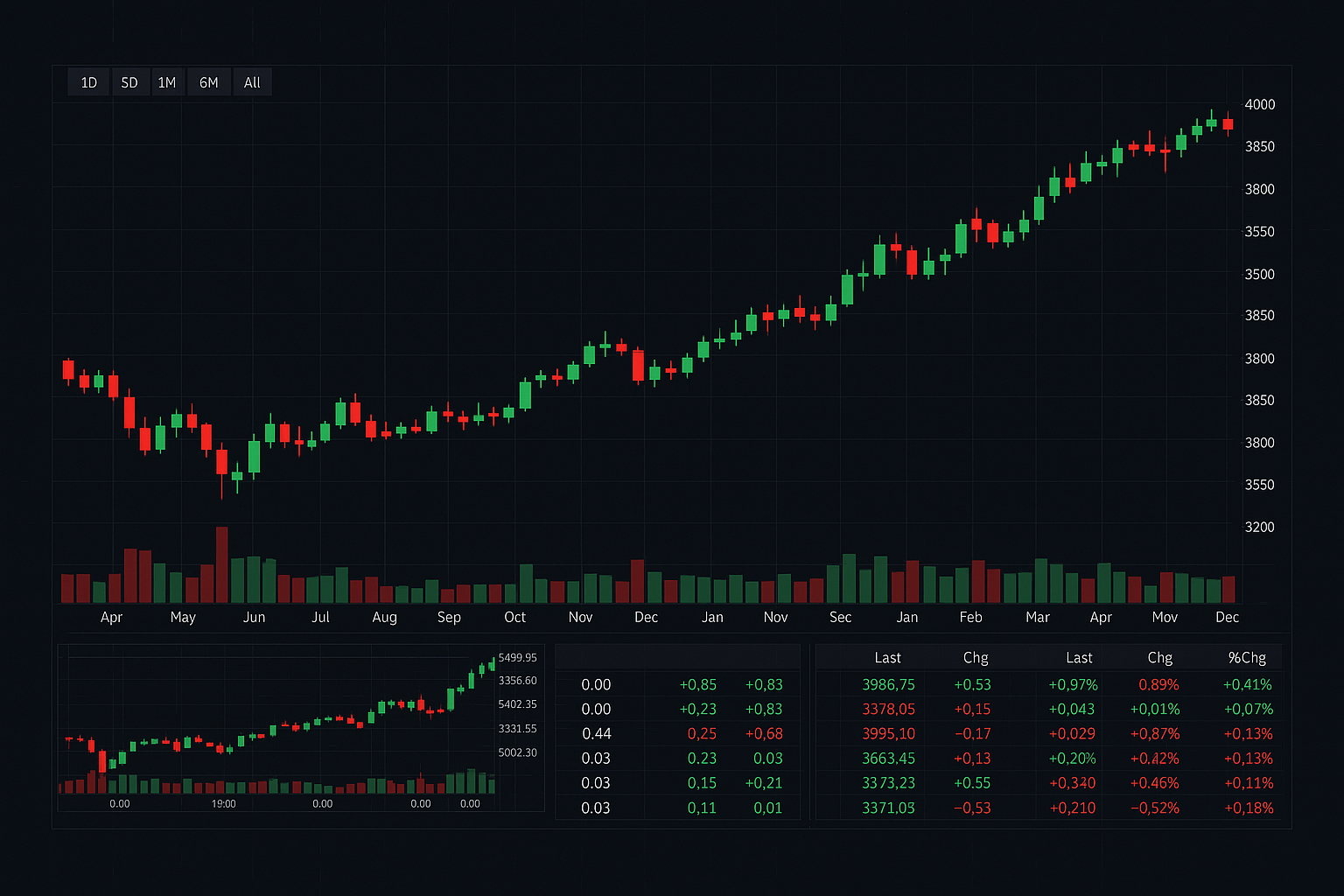
Charts tell stories about what buyers and sellers are doing. Tradvio AI reads these stories automatically, identifying patterns that appear over and over across thousands of trades. Common formations like triangles, breakouts, head-and-shoulders, and double bottoms are classics for a reason. They predict what happens next with surprising regularity. When the AI spots one of these patterns in real-time, it doesn't wait for you to discover it.
Let's say you're watching a stock that's been consolidating, moving sideways within a tight range. Historically, tight consolidations precede explosive moves in one direction or the other. Tradvio AI monitors this silently and the moment the price breaks out of that range with sufficient volume, you get an alert. It might be 3 AM. You might be doing something else entirely. Doesn't matter. The opportunity is flagged and waiting for you when you're ready to review it.
The advantage isn't just speed, it's consistency. A tired trader misses setups. A distracted trader overthinks obvious opportunities. The AI never gets tired or distracted. It applies the same logic rules every single time, day after day, eliminating the human variables that usually hurt trading results.
Multiple timeframes add another layer. The system can identify patterns on the five-minute chart, one-hour chart, daily chart, and weekly chart simultaneously. It alerts you when patterns align across timeframes, which historically indicates a particularly high-probability trade. These multi-timeframe confirmations often have winning rates above 70 percent, compared to single-timeframe setups around 55 percent. You naturally gravitate toward better-odds trades.
Automated Trading Signals and Alert Systems
Signals are the heart of Tradvio AI's value. Rather than forcing you to analyze markets constantly, the system does the work and tells you when something interesting happens. You might receive a signal saying, "Apple stock just broke above its 50-day moving average with strong volume on the 4-hour chart. AI confidence 78 percent. Suggested entry: $195. Stop loss: $191. Target: $203." Everything is spelled out. No guessing, no additional research needed if you don't want to do it.
Alert timing matters enormously. Early users sometimes feel overwhelmed by signals at first. The solution isn't to ignore the platform, it's to customize it. You might say, "Only alert me on trades with 75-plus confidence," or "Filter alerts to show only breakout patterns, not reversals." After a week or two of tuning, most traders receive just two to five actionable alerts per day. That's manageable and keeps your focus sharp.
Notifications work however you prefer. Get them as smartphone push alerts that interrupt you immediately, or have them accumulate in your dashboard for review at scheduled times. Some traders check at market open, lunchtime, and market close. Others review continuously. The system accommodates all approaches.
The psychological benefit of signals shouldn't be overlooked. New traders often suffer from analysis paralysis, staring at charts for hours unable to make a decision. Automated signals cut through that. You're not deciding whether to trade—a machine with better pattern recognition made that call. You're deciding whether to execute. That's a much simpler mental task, and it's one reason traders often perform better with systematic alerts than when left to their own impulses.
Risk Management Tools Built Into Tradvio AI
Every profitable trader manages risk before they manage profits. Tradvio AI bakes this logic into its foundation. When a signal arrives, it includes automatic recommendations for position size and stop-loss placement based on your account size and the signal's volatility characteristics.
Here's a practical example. You have a $10,000 account. A signal arrives with suggested entry at $50 and recommended stop at $48 (two-dollar risk per share). Tradvio AI calculates that risking your standard 1 percent per trade means you can buy 50 shares maximum. Below that and you're not taking full advantage of the opportunity. Above that and you're risking too much. The system suggests exactly 50 shares. Simple math, but applying it consistently across dozens of trades per month adds up to dramatically better account growth with lower drawdowns.
Position sizing isn't static either. If your account grows to $15,000, the calculation adjusts automatically. You don't need to remember to increase your position size manually. The system scales with your success.
Profit targets are equally automated. Based on the trade setup and historical patterns, Tradvio AI suggests where to take profits. Some traders use these suggestions exactly as given. Others adjust them based on what they see developing in the market. Having a framework in place prevents the common problem of holding winners too long or closing them too early out of fear.
Portfolio-wide risk is managed too. The system won't send you overlapping signals in highly correlated assets. If you're already long crude oil, an alert for energy company stocks might be filtered out temporarily to avoid doubling down on the same market move. This keeps your portfolio properly diversified and prevents concentration risk.
Tradvio AI vs. Traditional Trading Tools: Why Make the Switch?
You might be thinking, "I already have a charting platform. Why add another tool?" Fair question. Let's look at how Tradvio AI actually differs from traditional approaches and whether that difference matters to your bottom line.
Performance Comparison and Accuracy Rates
Traditional charting tools like TradingView or MetaTrader show you the data. They're excellent at visualization. You draw your own trendlines, set up your own indicators, and make your own trading decisions. This works, but it requires discipline, experience, and time. The trader does the analytical heavy lifting.
Tradvio AI automates the analysis. Studies comparing algorithmic trading systems to manual chart traders show consistent results: systems win more often. They don't get distracted, don't let emotions override logic, and don't miss opportunities. A typical manual trader using TradingView might win on 45 to 50 percent of their trades. A trader using Tradvio AI's signals typically sees win rates between 58 and 68 percent, depending on market conditions and personal discipline in following the system.
That might seem like a small difference. Across a hundred trades, it's enormous. Fifty wins out of a hundred trades versus sixty-five wins out of a hundred trades is the difference between a struggling account and one that grows steadily. The math compounds monthly and yearly.
Accuracy improves further when traders combine the AI's signals with their own observation. You're not blindly executing every alert. You can review the setup, see the pattern for yourself, and add your own judgment. This hybrid approach, where you trust the system to spot opportunities but verify them with your own eyes, often produces the best results. Traders report win rates above 70 percent using this method.
Cost-Benefit Analysis for Traders
Let's talk money. Subscription costs for Tradvio AI are typically $50 to $200 per month depending on your account size and feature tier. Compare this to what you'd spend on a professional trading education course (often $2,000 to $5,000), a premium charting service ($99 to $300 monthly), and a trading coach ($500 to $2,000 monthly). Tradvio AI delivers similar value at a fraction of the cost.
More importantly, consider the earnings potential. If Tradvio AI helps you win on five to ten additional trades per month (which a 60 percent versus 50 percent win rate easily accomplishes), and your average winning trade makes $200, that's an extra $1,000 to $2,000 monthly in income. The subscription pays for itself many times over within the first month.
For small account holders, this math is transformative. Someone with $5,000 is unlikely to make trading their full-time income using only manual analysis. Same person with Tradvio AI, taking the system's high-confidence signals, might generate enough returns to fund their goals within one to two years of consistent trading.
There's also the opportunity cost of time. If manually analyzing charts takes you two hours per day and Tradvio AI reduces that to fifteen minutes, you've reclaimed nearly two hours daily. Multiply that across a year and you're looking at over 450 hours. That time now goes toward your job, your family, or your own education. That's worth real money beyond what the platform costs.
Success Stories and Real User Results
Traders using Tradvio AI consistently report similar patterns of improvement. Someone using the platform in 2026 shared that they went from a 40 percent win rate to a 62 percent win rate within the first three months, simply by following the system's high-confidence signals. With a $8,000 account and $100 average profit per winning trade, that improvement added $1,760 monthly to their income on average. Within a year, their account more than quadrupled.
Another example involved a day trader who was exhausted from trying to catch every market move. After switching to Tradvio AI with strict filters showing only the highest-confidence setups, they reduced their trading from eight to ten daily trades down to two to four daily trades. But here's the key: those remaining trades had higher win rates because they were better setups. Total monthly profits stayed similar, but stress dropped dramatically. They could maintain this approach indefinitely rather than burning out every six months.
Longer-term investors saw different but equally valuable results. One trader set up Tradvio AI to analyze swing setups on a daily timeframe, alerting them to promising entry points on solid stocks. Rather than buying whenever they had cash and hoping, they waited for AI signals indicating momentum was building. Over two years, their returns exceeded the broader market by 8 to 12 percent annually—a substantial outperformance driven simply by better timing on entries.
These aren't unusual outcomes. They're the norm for traders who commit to using the system consistently and following its logic rather than fighting it with impulses.
Advanced Features and Customization Options in Tradvio AI
As your trading evolves and you gain confidence, Tradvio AI grows with you. The platform isn't a one-size-fits-all tool. It's a customizable engine that adapts to your approach, whether you're a scalper, swing trader, or position trader. Let's explore how you bend the system to fit your style perfectly.
Creating Custom Trading Strategies and Rules
Tradvio AI comes with pre-built strategies based on decades of market analysis. But your trading style is unique. Maybe you've discovered that breakouts work better for you on Tuesdays through Thursdays. Maybe you have a specific technical pattern that's worked beautifully for you in the past and you want the AI to hunt for it continuously. The custom strategy builder makes this happen.
You don't need to code anything. The interface lets you select components visually: "Alert me when price closes above the 50-day moving average AND volume exceeds the 20-day average AND the RSI is between 50 and 70." You can stack conditions until you've defined exactly what you're looking for. Save this as "My Custom Breakout Strategy" and the AI hunts for it every day.
Over time, you refine. Maybe you discover that adding a four-hour timeframe confirmation improves results. You simply update the strategy. The AI immediately begins checking both conditions. All your historical trades using that strategy recalculate, showing you how this tweak would have performed in the past. This backtesting feature is invaluable for judging whether a modification is actually an improvement or just wishful thinking.
The system supports multiple simultaneous strategies. You might run a scalp-focused strategy for quick three-to-five minute trades, a swing strategy for overnight positions, and a longer-term trend strategy all at the same time. Each with different filters, different position sizes, different alert frequencies. Tradvio AI keeps them all organized and separate, preventing confusion.
Integration with Popular Trading Platforms
You don't have to abandon your favorite trading platform. Tradvio AI integrates seamlessly with Interactive Brokers, TD Ameritrade, E-Trade, Coinbase, Binance, and virtually every major broker used in 2026. When a signal arrives and you're ready to trade, you simply switch to your platform and execute. The AI has already done the thinking.
For traders who want to go further, more advanced integrations are available. Some brokers support direct API connections where Tradvio AI can place trades automatically without your manual intervention. This is ideal for high-frequency strategies or when you want to eliminate latency. You still set boundaries: the system can't trade more than X dollars, can't place a stop loss closer than X points, can't exceed your daily loss limit. Complete automation with your safety rails intact.
Mobile integration keeps you informed wherever you are. The Tradvio AI mobile app mirrors your dashboard and sends instant notifications. You're never out of touch with opportunities. This is particularly valuable for swing traders who might see a signal while at work and can place a trade during lunch, or day traders who receive alerts and can react within seconds.
Data synchronization is real-time. Place a trade manually on your broker, and Tradvio AI instantly knows about it. Adjust a position, and the system recalculates your risk exposure immediately. Everything stays perfectly coordinated, eliminating the common problem of your broker showing one thing while your trading app shows another.
Conclusion
Tradvio AI represents a genuine shift in how traders approach markets in 2026. Rather than feeling overwhelmed by charts and data, you have a clear guide spotting opportunities before they're obvious to everyone else. Rather than doubting yourself on every trade, you follow a system with proven logic. Rather than burning out from constant monitoring, you let automation handle the watching while you focus on execution and learning.
The question isn't really whether Tradvio AI is powerful. It is. The question is whether you're ready to upgrade your trading from guesswork and impulse to systematic analysis and intelligent automation. If you've been frustrated with manual trading, if you feel like you're missing good setups, if you want to improve your consistency without spending years becoming an expert, this platform delivers real solutions. Start with a demo account, spend a week getting familiar with the interface and signals, then make your decision. Most traders who try it find themselves wondering how they ever traded without it.