Imagine depositing your crypto and letting an intelligent system work around the clock to generate returns for you, without the stress of monitoring charts or timing market moves yourself. StakerX brings this vision to life through StakerGPT, an autonomous AI trading agent built on the Solana blockchain that handles perpetual futures trading automatically. Since launching in July 2026, the platform has already attracted over $40 million in staked assets from more than 8,200 users, proving that investors are hungry for simplified, hands-off trading solutions.
Whether you're new to crypto investing or looking for a way to make your holdings work harder, understanding how StakerX operates is the first step toward deciding if it fits your financial goals. This guide walks you through every aspect of the platform, from account setup to performance tracking, so you can make an informed decision with confidence.
| Metric | Figure (as of October 2026) |
|---|---|
| Total Staked Assets | $40+ million |
| Registered Users | 8,200+ |
| Funded Accounts | 3,000+ |
| Credited Yield to Users | ~$12 million |
| Completed Withdrawals | 27,700+ |
| Withdrawal Total Value | $10+ million |
StakerX combines multi-chain deposit flexibility with StakerGPT's autonomous trading engine to deliver a hands-free investing experience. The platform has grown rapidly to over $40 million in assets, with thousands of active users. Understanding how the AI agent executes trades and what returns mean for your investment is vital before committing funds.
What Is StakerX and How Does the AI Trading Agent Work?
Understanding StakerGPT's Autonomous Trading System
StakerX is a quantitative trading platform operating on the Solana blockchain, managed by the Swiss-based firm StakerX Strategies AG. At its heart sits StakerGPT, an autonomous AI agent built on Claude Mythos architecture. Rather than requiring you to analyze charts, identify trading opportunities, and manually place orders, StakerGPT does this work for you continuously, 24/7.
Here's what makes this different from traditional investing: StakerGPT monitors cryptocurrency perpetual futures markets in real time, identifies potential trading setups based on programmed criteria, applies strict risk controls to filter out dangerous positions, and executes approved trades automatically without waiting for your permission on each order. Every single trade is logged and published daily, so you have complete visibility into what the AI is doing with your capital.
The system isn't random. It evaluates market conditions, spot trends, and applies risk assessment filters before any execution. Think of it as having a professional trader work around the clock on your behalf, making thousands of micro-decisions without fatigue or emotion interfering with the process.
Multi-Chain Deposits and Fund Management
Flexibility matters when you're investing. StakerX accepts deposits across multiple blockchains, meaning you don't need to hold everything on Solana to start. This multi-chain approach makes it easy for investors with assets scattered across different networks to consolidate them into one trading strategy.
Once your funds arrive, the platform converts them into a unified pool that StakerGPT uses for trading. You retain ownership of your capital and can withdraw at any time. The system tracks every deposit, trade, and withdrawal in a transparent ledger that users can review at any moment. This approach removes the black-box feeling common with traditional hedge funds, where you hand over money and get periodic reports.
StakerX's $40 Million Milestone: Key Performance Metrics and What They Mean
User Growth and Account Activation Rates
Reaching $40 million in staked assets within three months of a public launch in July 2026 signals strong investor confidence. By October 2026, more than 8,200 users had registered accounts, with over 3,000 of those accounts actually funded and trading. This split matters: it shows that roughly 37% of people who sign up decide to commit real money, a healthy conversion rate that reflects genuine belief in the platform's value.
The platform's growth trajectory speaks to successful onboarding. Getting someone from curiosity to account creation is one hurdle. Converting them to a funded account requires trust, clarity, and a compelling value proposition. StakerX appears to have cleared both barriers effectively.
Yield Distribution and Withdrawal Patterns
The platform has credited users with nearly $12 million in yield since launch. That's real money flowing back to investor accounts. Equally telling, the system has processed over 27,700 completed withdrawals totaling more than $10 million. High withdrawal volume proves that users feel confident enough to extract their earnings and profits. If people consistently pulled money out due to poor performance, the narrative would look very different.
These numbers paint a picture of an active, functional ecosystem where capital flows both in and out smoothly. Users aren't stuck or trapped. They can access their funds when needed, and the platform has the liquidity to honor those requests at scale.
What Investors Should Verify Before Depositing
While the headline numbers are impressive, smart investing starts with asking the right questions. Before you commit capital, verify that the daily trade records published by StakerX match your risk tolerance. Read through actual trading logs to understand typical trade frequency, position sizes, and market conditions where the AI operates most often.
Check the fee structure carefully. How much does StakerX take from profits? Are there deposit or withdrawal fees? Understanding the true cost of using the platform is essential to calculating your real net returns. Review the account terms to know exactly what happens if the AI encounters an extreme market event or if you want to pause trading.
Look at the withdrawal experience. Are there delays? Hidden minimums? The fact that over 27,700 withdrawals have been processed is encouraging, but verify that recent withdrawals completed quickly and without friction.
How to Get Started With StakerX: Step-by-Step Process
Creating Your Account and Depositing Cryptocurrency
Starting with StakerX follows a straightforward path designed for both crypto veterans and newcomers. First, visit the platform and create an account with your email. Verification is quick, typically involving email confirmation and basic identity checks to comply with standard practices. You don't need to be a programmer or have deep market knowledge.
Next comes the deposit. The multi-chain functionality shines here. If you hold tokens on Ethereum, Polygon, or another supported network, you can deposit directly without first bridging to Solana. The platform handles the conversion seamlessly. Choose your deposit amount, confirm the transaction, and your funds arrive in your StakerX wallet.
The minimum deposit is designed to be accessible, removing barriers for investors of all sizes. Whether you're starting with $100 or $10,000, you can begin immediately without jumping through hoops.
Committing Funds to the Trading Programme
Once your funds sit in your account, the next step is committing them to the trading programme. This is where StakerGPT goes to work. You'll select the amount you want deployed into active trading and confirm. The AI then begins monitoring markets and executing trades according to its programmed strategy.
This distinction matters: having funds in your account and having them in the trading programme are different states. If you want to keep some capital on the sidelines without AI trading, you can. This flexibility lets cautious investors test the platform with a portion of their holdings first.
Monitoring Your Automated Trades and Performance
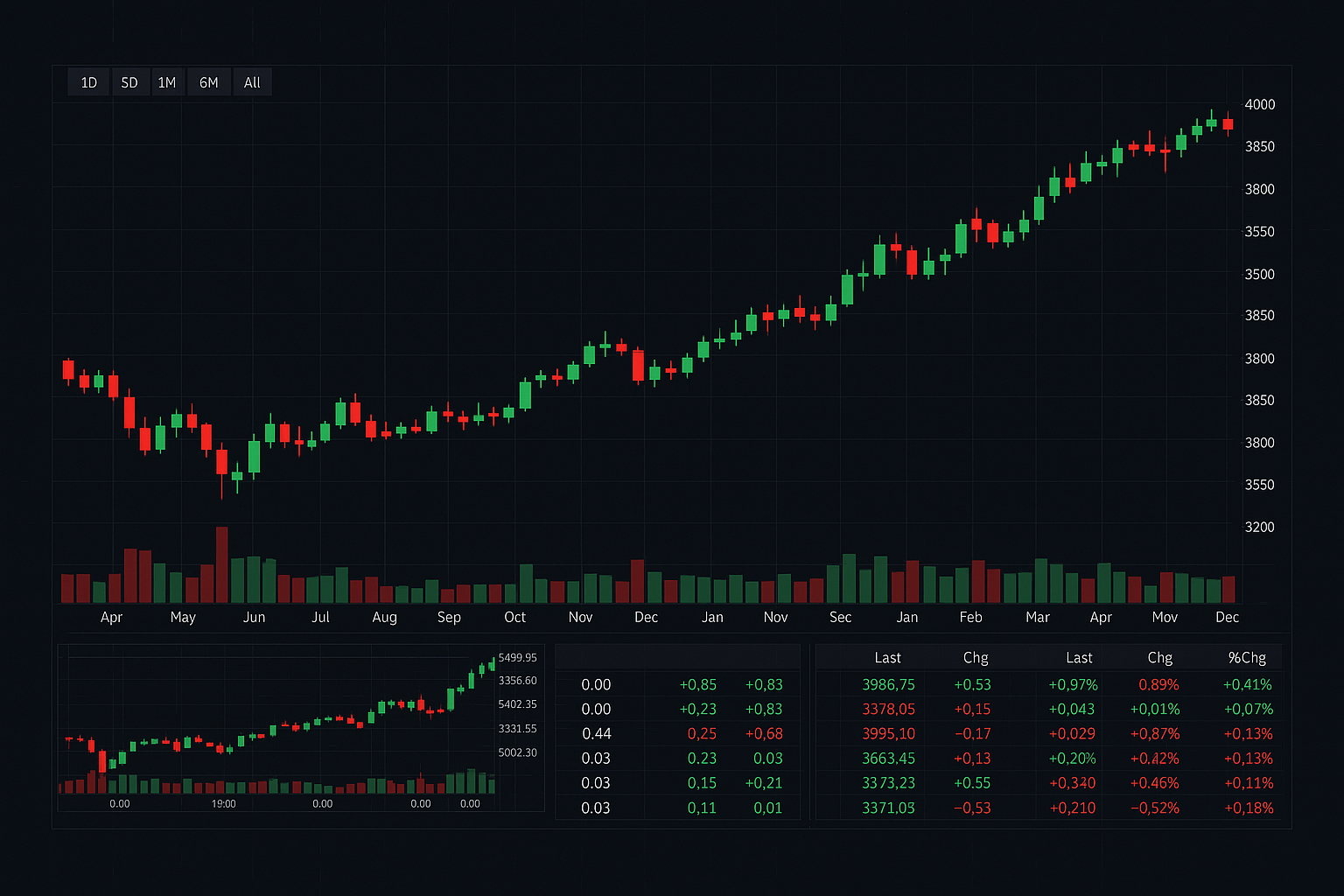
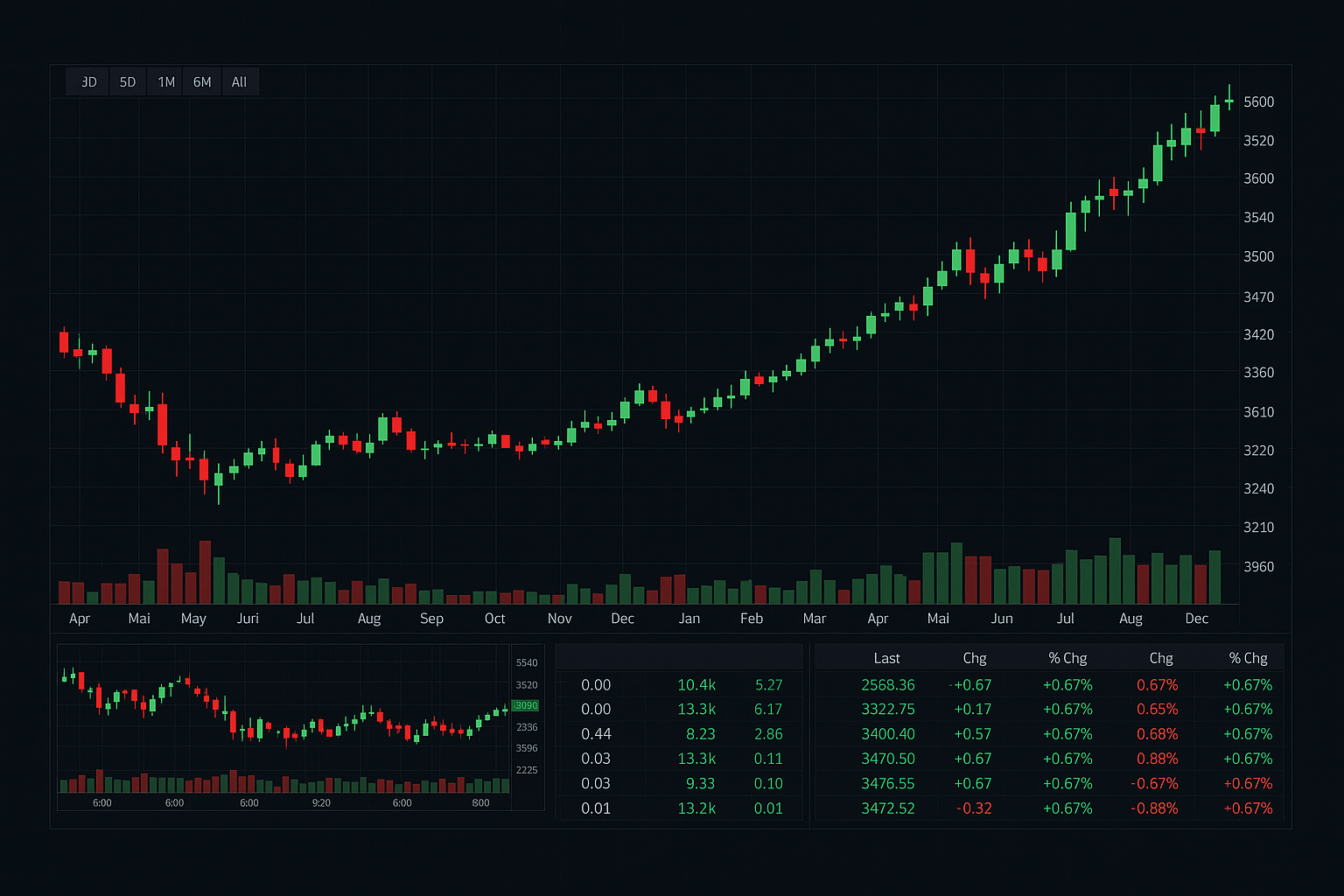
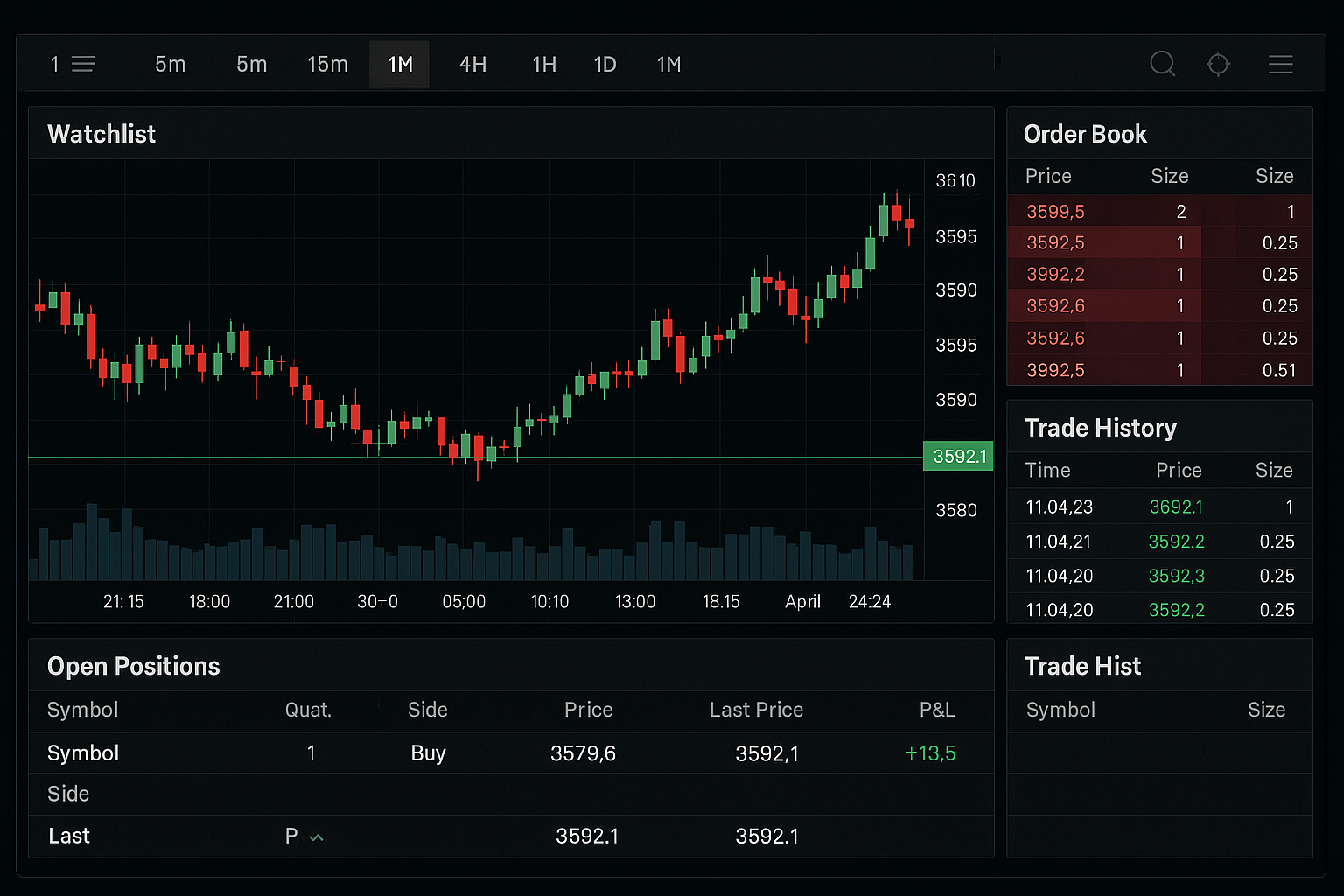
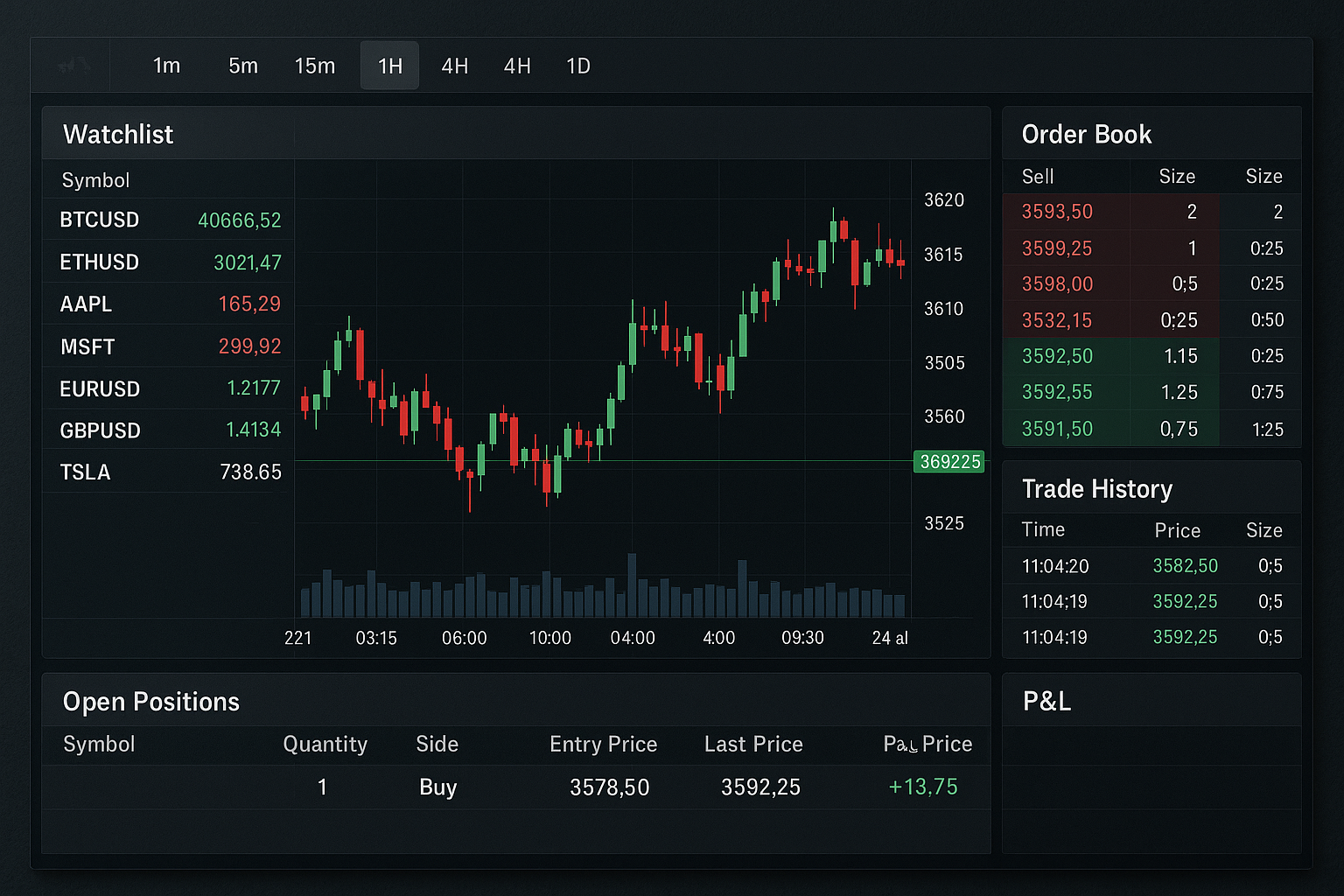
Your dashboard becomes your command center. You'll see your account balance, accrued yield, open positions, and trade history all in one place. The interface is designed for clarity, not for overwhelming you with data. Charts show your equity curve over time, so you understand visually how your investment is growing or adjusting.
The published daily trade records let you dig deeper. Want to know exactly what trades StakerGPT executed yesterday? Pull up the log. See the market, direction, entry price, and exit details. This transparency builds confidence because you're not trusting blindly. You're observing real decision-making in real time.
Mobile apps and web access mean you can monitor your account from anywhere. Check in during lunch, before bed, or during your commute. The system doesn't need your attention to operate, yet you always have visibility when you want it.
Critical Risks and Limitations of AI-Powered Crypto Trading
Market Volatility and Perpetual Futures Exposure
Crypto markets are inherently volatile, and perpetual futures amplify that volatility through leverage. StakerGPT trades perpetual futures, which are derivatives that let traders control large positions with smaller amounts of capital. This leverage multiplies both potential gains and potential losses.
A sudden market crash can wipe out unprotected positions quickly. StakerX incorporates risk filters and safeguards, yet no system can eliminate volatility risk entirely. Extreme market events that occur outside historical ranges can catch even sophisticated AI off guard. You should only commit capital to this platform that you can afford to lose.
Past performance, including the $12 million in credited yield since launch, does not guarantee future results. Markets change, volatility spikes, and new conditions emerge that might differ from what the AI encountered during its training period.
Autonomous Execution Risks and Safeguards
The beauty of automation is also a potential pitfall. StakerGPT executes trades without your permission on each order. This speed is a feature when markets move favorably, but what if the AI makes a string of poor decisions? What if a bug or logic error causes unexpected behavior?
The platform addresses this with daily published trade records that let you audit its decisions. If you notice concerning patterns, you can pause or withdraw your funds. StakerX also maintains risk filters that are supposed to prevent catastrophic losses, though no filter is perfect.
The autonomy means you're trusting the AI's judgment. Some investors love this hands-off approach. Others find it uncomfortable to let code make financial decisions. Your comfort level matters when deciding whether this platform aligns with your investing style.
Evaluating Real Returns vs. Company Claims
StakerX publishes the numbers: $40 million staked, $12 million in yield credited. These are company figures, not independently audited by a third party. When evaluating returns, ask what percentage of assets the $12 million represents. If $40 million generated $12 million in yield over three months, that's roughly 30% annualized. Is that realistic long-term? Is it sustainable?
Compare the claimed returns to what you see in published daily trade records. Do the individual trades add up to the aggregate yield reported? If they don't align, dig into why. Sometimes platform-wide statistics can look deceptively good due to accounting methods or timing differences.
Be skeptical of any platform guaranteeing consistent high returns. Markets don't work that way. A platform that seems too good to be true often is. StakerX's transparency through daily logs is valuable for verification, but the burden of analysis falls on you.
StakerX vs. Traditional Crypto Staking: Key Differences
How StakerGPT Trading Differs From Standard Staking Rewards
Traditional crypto staking is passive. You lock up tokens in a proof-of-stake blockchain and earn rewards simply by participating in network validation. The return is predictable, often ranging from 3% to 8% annually depending on the asset. Your role is minimal: buy tokens, stake them, wait, and collect rewards.
StakerX is active. StakerGPT constantly trades perpetual futures, taking calculated risks to generate returns. This approach offers the potential for higher yields than staking but introduces corresponding risks. You're not earning rewards from consensus participation. You're earning from speculative trading profit.
Staking locks your capital for a period, sometimes months. StakerX lets you withdraw anytime. Staking is suitable for investors who want set-it-and-forget-it simplicity. StakerX appeals to those seeking active market exposure without doing the trading themselves.
Another key difference: staking returns are measured in new tokens added to your holding. StakerX returns come as yield flowing into your account in the deposited asset or stablecoins. The cash-like returns feel more immediate and tangible to many investors.
Think of traditional staking as the savings account of crypto investing, boring but reliable. StakerX is the investment portfolio approach, more dynamic, requiring more scrutiny, but capable of generating stronger returns for investors willing to accept volatility.
Conclusion
StakerX represents a compelling option for crypto investors ready to move beyond passive staking into active, AI-driven trading. The platform's rapid growth to $40 million in assets, combined with transparent daily trade logs and high withdrawal volumes, suggests a functioning ecosystem that users trust. The step-by-step onboarding process makes getting started painless, and the automated nature of StakerGPT removes the burden of constant market monitoring.
That said, this is crypto trading, not a savings account. Volatility, leverage, and market risk are real. Before depositing significant capital, spend time reviewing published trade records, understanding the fee structure, and honestly assessing your risk tolerance. Start small if you're testing the platform for the first time. Monitor your account regularly, even though it operates automatically. Verify claims against actual published data. With these precautions in mind, StakerX could become a valuable part of a diversified crypto investment strategy for investors seeking hands-off, AI-powered market exposure in 2026 and beyond.